

How Much Money Do You Get Donating Blood
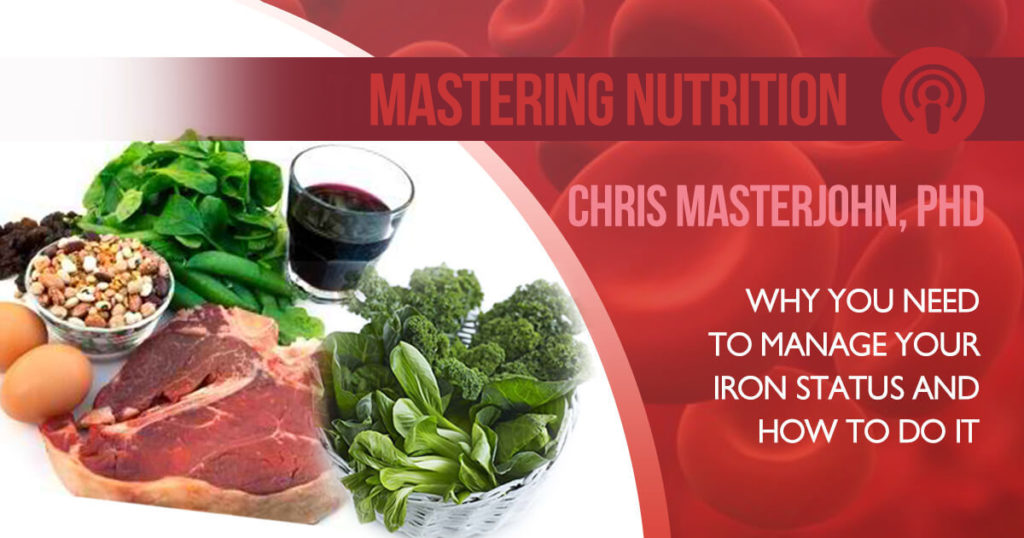
In episode 32, I tell the story of my personal struggle with iron overload, and weigh in on the proper use of blood tests and strategies to manage anemia, hemochromatosis, and everything in between. It's important to realize that these are the extremes, and there is a large middle space where we need to not only manage how much iron we accumulate, but how we direct it away from its disease-promoting roles and into its health-promoting roles.
This is a great primer on iron as well as a source of insights you may not have encountered elsewhere, such as the importance of oxidative stress as an independent regulator of ferritin, and the potential dangers of supplements designed to protect against oxidative stress like milk thistle, Protandim, sulforaphane, and green tea extract, for people at risk of anemia.
Listen on ITunes or Stitcher.
Click here to stream.
Right-click (control-click on the Mac) here and choose "save as" ("save link as" on Mac) to download.
Subscribe in your own reader using this RSS feed.
Read the show notes.
Leave a comment.
Want transcripts? Sign up for theCMJ Masterpass with this special link to get 10% off.
Share it on Facebook.
Retweet it on Twitter.
Like it on Instagram.
This is part of a series on managing nutritional status where all of the episodes are collated on the shownotes page for the introductory post, What Makes a Good Marker of Nutritional Status?
This episode is also brought to you by Kettle and Fire bone broth. I use their 24-hour simmered bone broth as a source of glycine-rich collagen and other nutrients that slowly release from the bones and the marrow inside them. A team of chefs designed the recipe, so it's delicious to the max. And the state-of-the-art packaging makes it the only bone broth on the market that is cooked in the traditional way and has no additives or preservatives, yet stays shelf-stable for up to two years, making it easily available at a moment's notice. Head to kettleandfire.com/chris to get $10 off your first order.
This episode is brought to you by US Wellness Meats. I use their liverwurst as a convenient way to make a sustainable habit of eating a diversity of organ meats. They also have a milder braunschweiger and an even milder head cheese that gives you similar benefits, as well as a wide array of other meat products, all from animals raised on pasture. Head to grasslandbeef.com and enter promo code "Chris" at checkout to get a 15% discount on any order that is at least 7 pounds and is at least $75 after applying the discount but under 40 pounds (it can be 39.99 lbs, but not 40). You can use this discount code not once, but twice!
Show Notes for Episode 32 on Managing Iron Status
In this episode, you'll find all of the following and more:
- 0:33 Cliff Notes.
- 10:30 Introduction.
- 13:12 My personal story with iron overload.
- 30:12 The physiological roles of iron: hemoglobin, myoglobin, nitric oxide synthase, iron-sulfur clusters in the cytochromes of the electron transport chain, guanylyl cyclase, thyroid peroxidase (TPO), myeloperoxidase (MPO), oxygen transport, energy and ATP production, cellular regulation, thyroid hormone production, immunity.
- 38:20 Iron as a source of oxidative stress: free iron, hydrogen peroxide, and the hydroxyl radical, oxidative stress as an independent regulator of ferritin.
- 41:10 Regulation of iron status.
- Ferritin, long-term storage, protector against pathogens, protector against oxidative stress.
- Transferrin, short-term iron storage.
- Hepcidin, master coordinator of iron metabolism.
- HFE, communicator between transferrin and hepcidin.
- 49:10 Regulation of dietary absorption of plant and animal iron.
- 51:00 Measuring and assessing iron status: complete blood count (MCH, MCV, RDW, CHr), full iron panel, sensitivity and specificity of transferrin saturation versus ferritin, differential interpretation of ferritin as a marker of iron overload, inflammation, or oxidative stress.
- 1:11:43 What to do for anemia: differentiate potential causes, iron in foods (heme, nonheme, vitamin C, polyphenols, phytate, calcium), iron in supplements (iron-saturated lactoferrin, heme iron, liposomal iron), avoid Nrf2-stimulating supplements (like Protandim, sulforaphane, milk thistle, green tea extract), importance of followup measurements of ferritin.
- 01:21:03 What to do for iron overload: blood donation, dietary management, phlebotomy, chelation, importance of followup.
Iron Foods and Supplements
The first way to improve iron status is to eat iron-rich foods such as clams, liver, and red meat.
Various unrefined plant foods contain iron, with legumes, greens, seaweed, and potatoes towards the top of the list, and whole grains, nuts, seeds, beets, and many other foods containing small but meaningful contributions. The iron is less bioavailable because it is often in its oxidized state and must be reduced by an intestinal enzyme before absorption. The activity of that enzyme can be limiting, but taking vitamin C can solve the problem by increasing the reduction of the iron while still in the GI tract. Phytate and polyphenols inhibit nonheme iron absorption through means that cannot be overcome by vitamin C, making the bioavailability of plant iron worse than that of animal iron across the board and subject to large variation.
Refined grains are usually fortified with iron, but this is inorganic iron that, while making a contribution to iron status, is not the ideal form and is likely to promote oxidative stress in the intestines and perhaps feed undesirable bacteria.
If foods are not adequate to improve anemia, it is important to use supplements. Inorganic iron is likely to cause gastrointestinal side effects. 30% Iron-saturated lactoferrin is a great way to overcome this, but I have not found a source. If you know of one, please post it in the comments. Plant-derived iron supplements are likely to help with this, but to be less bioavailable and less effective at improving iron status.
Iron Smart liposomal iron and Proferrin ES heme iron provide iron in forms that are likely to be better absorbed without causing as many gastrointestinal side effects.
Iron Status Links and Research
The iron chapter ofModern Nutrition in Health and Diseaseis a great starting place for anyone who is scientifically inclined. This is one of the few textbooks I was required to purchase in school and found so useful I kept as a cherished reference. When the most recent edition came out, I bought the Kindle version, which is incredibly easy to navigate and take notes from compared to the hardcover version of the previous addition that I also still have.
Although the absorption of heme iron is poorly understood compared to the absorption of plant iron, iron status regulates one of the proteins believed to be involved in absorbing heme (HCP1) to the same degree as it regulates the proteins involved in absorbing plant iron (DcytB, DMT1, ferroportin, hephaestin).
Global prevalence of HFE variants.
Proven: The causative role of homozygous H63D mutation in hereditary haemochromatosis. I don't like the word "proven" in the title, but this letter collects some of the key studies documenting the ability of the H63D allele to contribute to hemochromatosis without the C282Y allele.
Nrf2 is the central gene controlling the response to oxidative stress. HFE is a central gene in the regulation of iron metabolism that is disrupted in hemochromatosis. In mice, loss of these genes synergize to produce an oxidative nightmare.
The antioxidant response element (ARE), which is regulated by Nrf2, regulates ferritin expression. This means that oxidative stress regulates ferritin independently of iron status. It also means that supplements designed to stimulate Nrf2 to increase antioxidant defenses could aggravate the risk of anemia in someone with deficient or suboptimal iron status.
Insertion of even one H63D allele of the HFE gene into mice is sufficient to contribute to iron accumulation and oxidative stress in the brain, though there are many protective responses that kick into gear to mitigate the effect.
Although some studies have associated HFE polymorphisms with Parkinson's, others have not, and there is no association in meta-analysis. That doesn't mean it doesn't aggravate the risk when combined with other more important factors, so more research is needed on those nuances.
The C282Y allele is associated with the risk of Alzheimer's disease when combined with a mutation in the transferrin receptor. Despite the fact that the C282Y allele is far more strongly associated with hemochromatosis than the H63D allele, the H63D allele is far more strongly associated with the risk of Alzheimer's, perhaps resulting from effects of the mutations independent from iron overload, or perhaps from differences in the tissue distribution of iron overload.
How Much Money Do You Get Donating Blood
Source: https://chrismasterjohnphd.com/podcast/2017/01/27/need-manage-iron-status/
Posted by: vanderpooldient1957.blogspot.com
0 Response to "How Much Money Do You Get Donating Blood"
Post a Comment